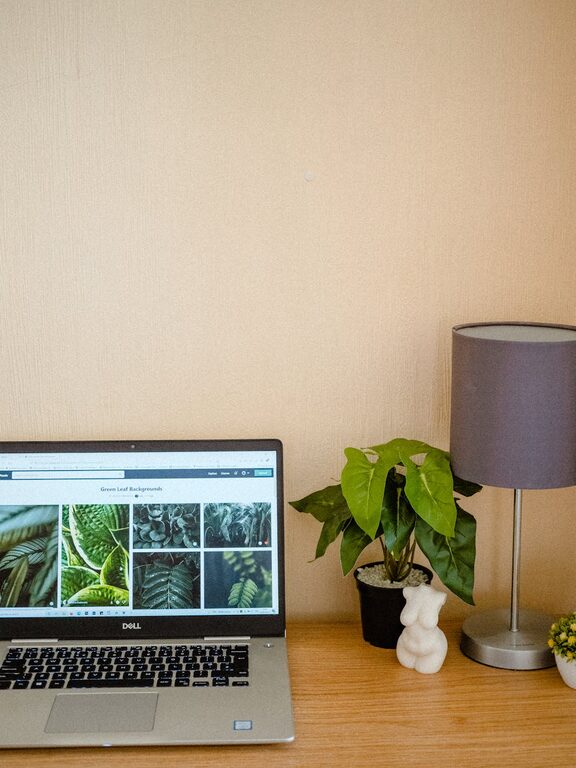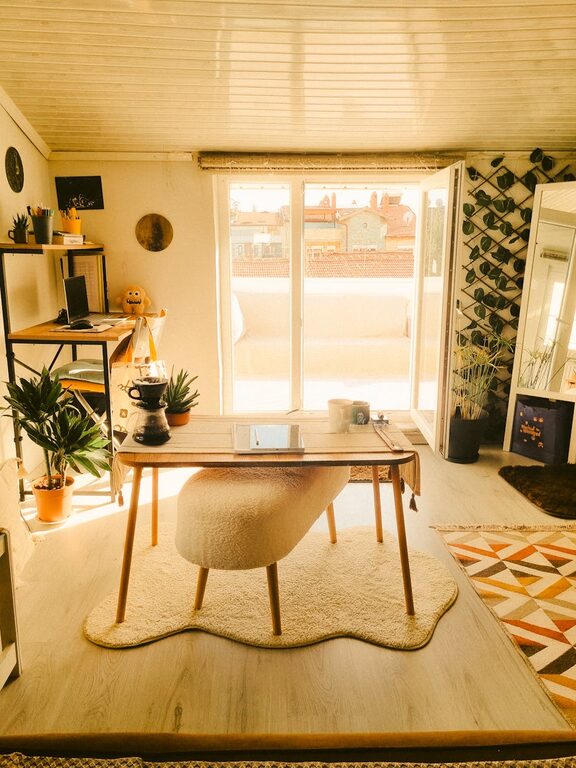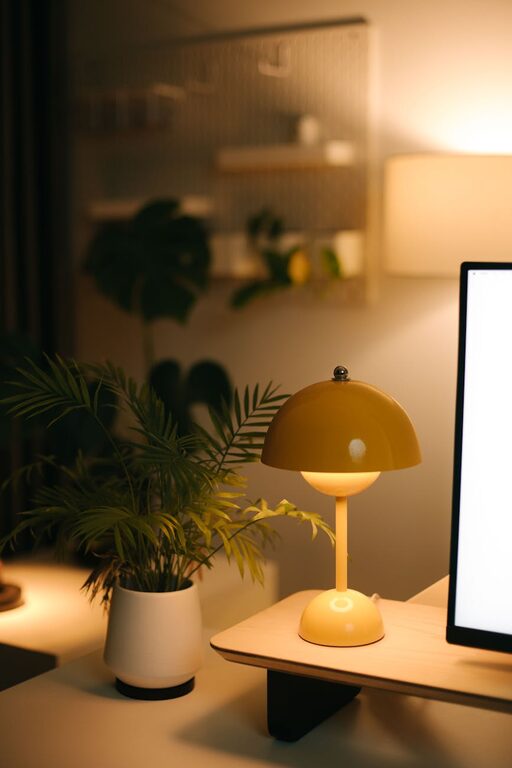
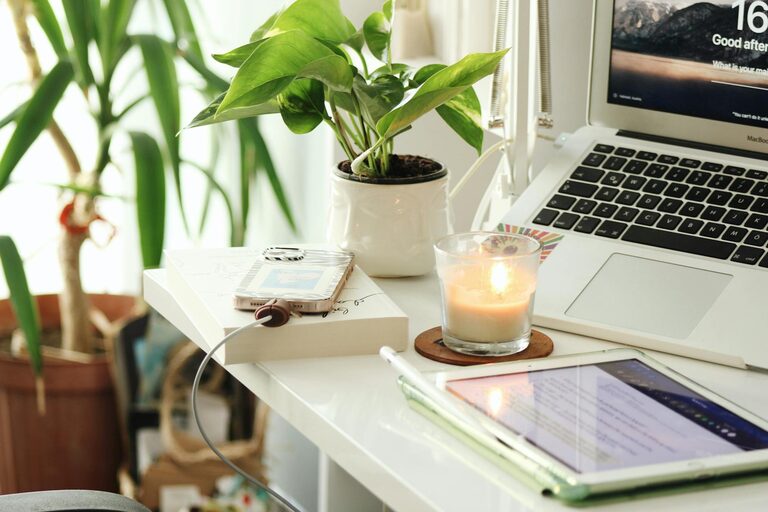
Creating a home office that is both cozy and productive can significantly improve your work-from-home experience. Whether you have a dedicated room or a small corner, making the space inviting and functional helps boost concentration and reduce stress. In this post, we’ll explore simple and effective ways to design a home office that feels comfortable and encourages productivity.
Why a Cozy and Productive Home Office Matters
Working from home means your workspace is also where you relax and live. Finding the right balance between comfort and focus can help you maintain motivation, avoid burnout, and make your workday more enjoyable. A well-designed home office can improve posture, reduce distractions, and create a positive work environment.
Choose the Right Location
Assess Your Space
Start by selecting the best spot in your home for your office. Look for a quiet area with natural light and minimal foot traffic to help you focus. If a separate room isn’t available, choose a corner or nook that you can dedicate solely to work.
Consider Privacy
Privacy can be key to minimizing interruptions. Use room dividers, folding screens, or curtains to separate your workspace from the rest of your home, especially if you share your living space with others.
Invest in Comfortable and Functional Furniture
Ergonomic Chair
A supportive chair is essential for long hours of work. Invest in an ergonomic chair that promotes good posture and reduces the risk of back pain.
Desk Size and Height
Choose a desk that fits your work needs—enough surface area for your computer, notebooks, and other essentials without feeling cramped. Ensure the height is comfortable to avoid strain on your wrists and shoulders.
Flexible Options
If possible, consider a sit-stand desk or a setup that allows you to change positions throughout the day. Movement helps maintain energy and focus.
Optimize Lighting for Comfort and Focus
Maximize Natural Light
Natural light boosts mood and helps regulate your sleep cycle. Position your desk near windows but avoid glare on your screen by using sheer curtains or blinds.
Add Task Lighting
Supplement natural light with adjustable desk lamps that provide focused illumination for reading or detailed work, reducing eye strain.
Use Warm Lighting for Coziness
In the evening or low-light conditions, warm-toned lights create a cozy atmosphere without compromising productivity.
Keep Your Workspace Organized and Clutter-Free
Storage Solutions
Use shelves, drawers, and organizers to keep supplies within reach but out of sight. This reduces distractions and keeps the area tidy.
Cable Management
Tidy cables using clips, ties, or boxes to prevent tangles and make your desk look neater.
Daily Cleaning Habit
Spend a few minutes at the end of each day clearing paperwork and resetting your workspace. A clean desk helps maintain a clear mind.
Personalize Your Space Mindfully
Add Plants
Indoor plants improve air quality and add a calming, natural touch to your office.
Display Inspiring Items
Choose a few meaningful decorations like photos, art, or motivational quotes to boost your mood without overcrowding the space.
Choose Soothing Colors
Soft, neutral, or pastel colors can create a relaxing environment that enhances concentration.
Minimize Distractions
Manage Noise
Use noise-cancelling headphones or play soft background music if ambient noise is a problem.
Turn Off Non-Essential Notifications
Silence notifications on your devices during work periods to stay focused.
Set Boundaries
Communicate your work hours clearly with family or roommates to minimize interruptions.
Incorporate Break Areas and Movement
Create a Relaxation Spot
If space allows, add a comfortable chair or small sofa to take breaks and recharge.
Stretch and Move
Incorporate simple stretches or short walks to avoid stiffness and keep energy levels up.
Use Technology to Enhance Productivity
Productivity Apps
Leverage task management and time-tracking apps to stay organized and on schedule.
Quality Equipment
Invest in reliable, high-quality peripherals like a keyboard, mouse, and webcam to improve comfort and efficiency.
Conclusion
Designing a cozy and productive home office is about creating a space that supports your work habits and wellbeing. By focusing on location, comfort, lighting, organization, and personalization, you can build an environment that helps you perform your best while feeling at ease. With these tips, your home office will become a place you look forward to spending time in every day.
About the Author