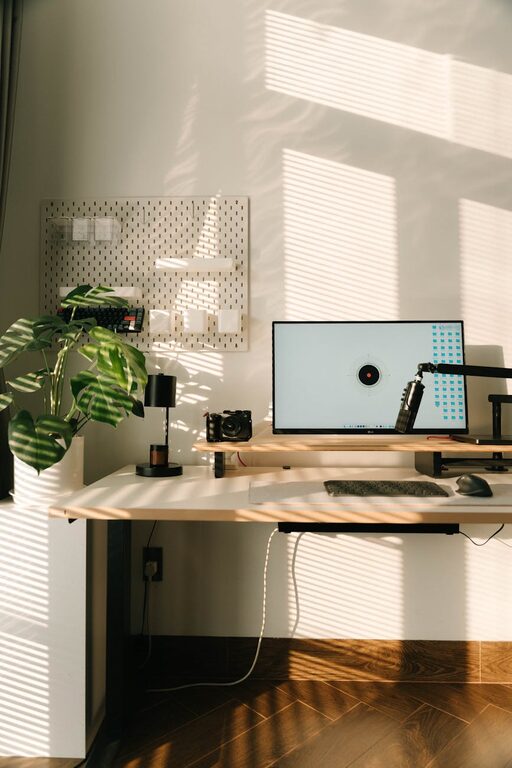
Creating a relaxing home office environment is essential for maintaining focus and boosting productivity, especially as more people work remotely. A calm and comfortable workspace can help reduce stress and make work feel less overwhelming. Whether you have a dedicated room or just a small corner to work in, these tips will help you transform your space into a productivity-boosting retreat.
Choose the Right Location
Start by selecting a quiet spot with good natural light. Ideally, your home office should be a place that’s free from distractions and traffic noise. If possible, pick a space with a door so you can close yourself off during work hours, helping to create a clear boundary between work and home life.
Maximize Natural Light
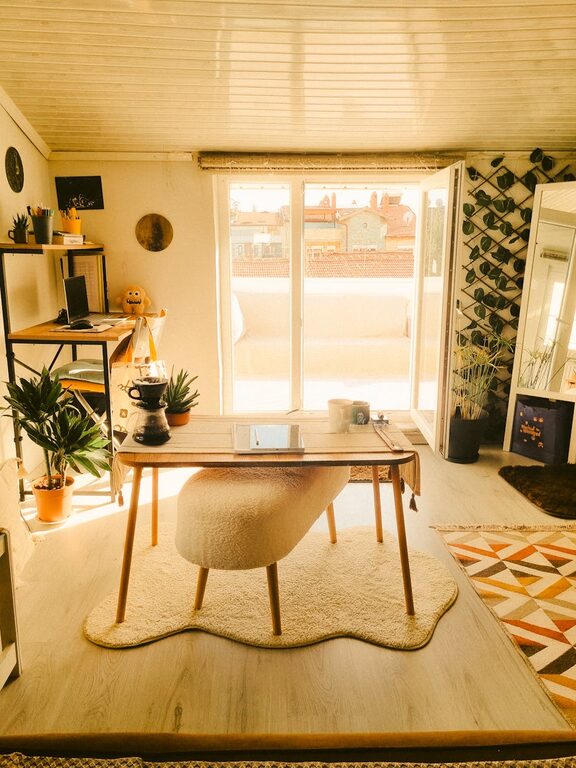
Natural light not only brightens your space but also helps regulate your body clock, making you feel more alert and awake. Position your desk near a window if you can. If natural light is limited, choose soft white lighting that mimics daylight and avoid harsh overhead lights.
Invest in Comfortable Furniture
Sitting for long hours can lead to discomfort and fatigue, so investing in good-quality furniture is key.
– Ergonomic Chair: Choose a chair with proper lumbar support, adjustable height, and comfortable cushioning.
– Desk: Select a desk at the right height to keep your arms at a 90-degree angle while typing.
– Footrest: If your feet don’t rest flat on the floor, use a footrest to improve posture.
Comfortable furniture helps reduce physical strain and allows you to focus better on your work.
Organize for Efficiency
A cluttered desk can lead to a cluttered mind. Keep your workspace tidy with smart organization techniques.
– Use Storage Solutions: Shelves, drawers, and desk organizers keep supplies neat.
– Cable Management: Use clips or cable boxes to keep cords untangled.
– Minimalist Approach: Only keep essentials on your desk and store everything else.
A clean workspace creates a calm atmosphere and saves time searching for things.
Add Calming Elements
Incorporate elements that promote relaxation to make your home office a pleasant place to spend time.
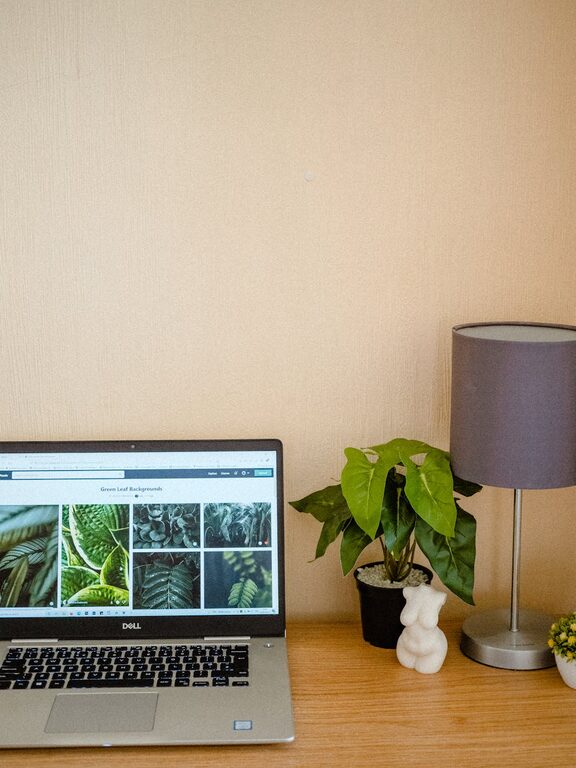
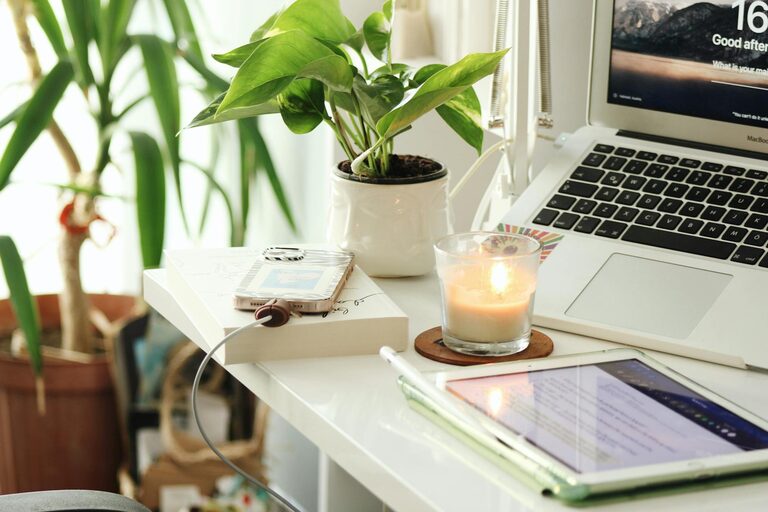
– Plants: Indoor plants improve air quality and add a touch of nature.
– Soothing Colors: Paint your walls in soft, neutral shades like light blue, green, or beige.
– Personal Touches: Adding art, photos, or meaningful items can make your space inviting without distracting you.
These touches help reduce stress and create a balanced mood conducive to working efficiently.
Manage Noise Levels
Noise can be a major distraction. Here are some ideas to keep your environment peaceful:
– Noise-Cancelling Headphones: Perfect for blocking out household noise.
– White Noise Machines or Apps: These provide a consistent background sound to mask sudden disruptive noises.
– Soft Furnishings: Curtains and rugs absorb sound and can reduce echo.
Reducing noise distractions allows you to maintain concentration and improves your work output.
Set Boundaries and Routine
A relaxing workspace also includes mental boundaries.
– Work Hours: Set specific start and end times to maintain work-life balance.
– Breaks: Take short breaks away from your desk to refresh your mind.
– Workspace Only for Work: Avoid using your home office for non-work activities to maintain focus.
Establishing routines helps your brain associate the space with productivity and relaxation.
Incorporate Technology Wisely
Technology can help or hinder your focus, depending on how it’s managed.
– Declutter Your Desktop: Only keep necessary apps and files visible.
– Use Productivity Tools: Apps for task management and time tracking can keep you on schedule.
– Avoid Distractions: Turn off non-essential notifications during work hours.
Using technology thoughtfully ensures it supports your productivity goals rather than distracting you.
Add Comfortable Lighting Options
Too bright or dim lighting can cause eye strain.
– Adjustable Desk Lamp: Having control over task lighting is helpful for focused work.
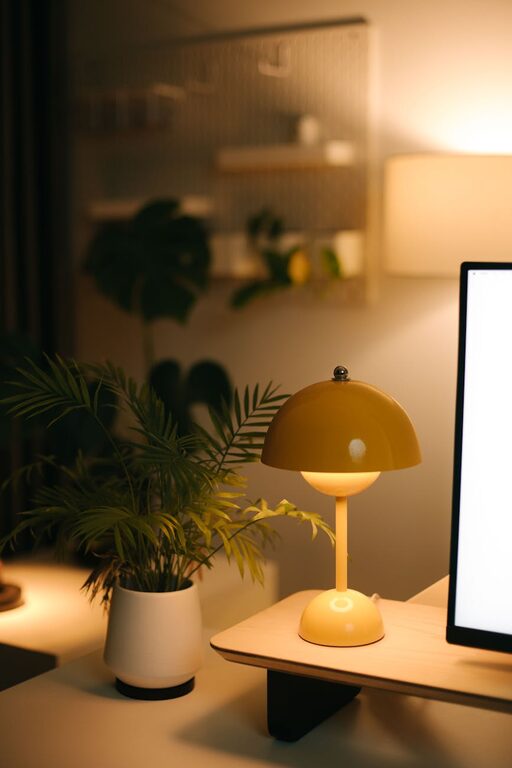
– Warm Light Options: Warm lighting is easier on the eyes and creates a cozier environment.
– Avoid Glare: Position screens and lights to reduce glare on your monitor.
Proper lighting minimizes fatigue and helps keep you comfortable through long work hours.
Keep Fresh Air Flowing
Good air quality enhances concentration and well-being.
– Open Windows: If weather permits, regularly open windows for fresh air.
– Air Purifier: Consider an air purifier if your home has limited ventilation.
– Avoid Strong Scents: Use subtle scents or avoid overpowering smells that could cause headaches.
Breathing clean air energizes your mind and helps you stay alert.
—
Designing a relaxing and productive home office is not just about aesthetics but also about creating a space that supports your work habits and well-being. By choosing the right location, organizing efficiently, managing distractions, and adding calming touches, you’ll build an environment where creativity and focus can thrive. Start with small changes and enjoy the benefits of a workspace tailored to your needs.
About the Author